News media

The stories of 2025
Revealing and moving
DPG Media’s news media delivered many remarkable journalistic productions in 2025. We highlight a selection, together with the makers. They share the story behind their story.
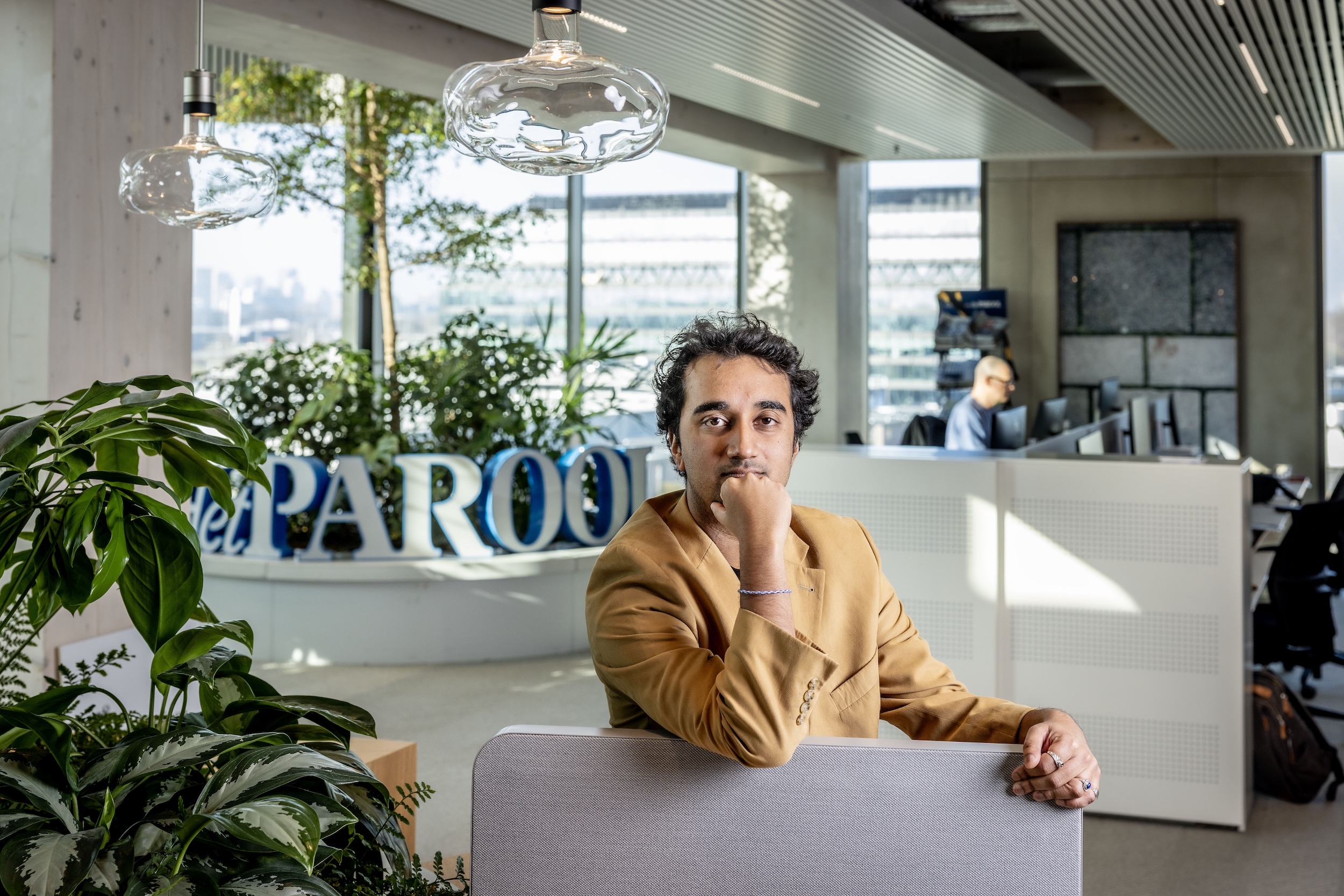
Tahrim Ramdjan (Het Parool)
EXPLOITATION IN A LUXURY GYM
At the Amsterdam luxury gym Saints & Stars, Filipino and Indonesian cleaners were working under harsh conditions. Over the course of several months, investigative reporter Tahrim Ramdjan of Het Parool spoke with eleven sources in and around the gym. He also analysed WhatsApp conversations, photos, videos, audio recordings and correspondence with the Netherlands Labour Authority. “I couldn’t believe what I was seeing.”
Read more

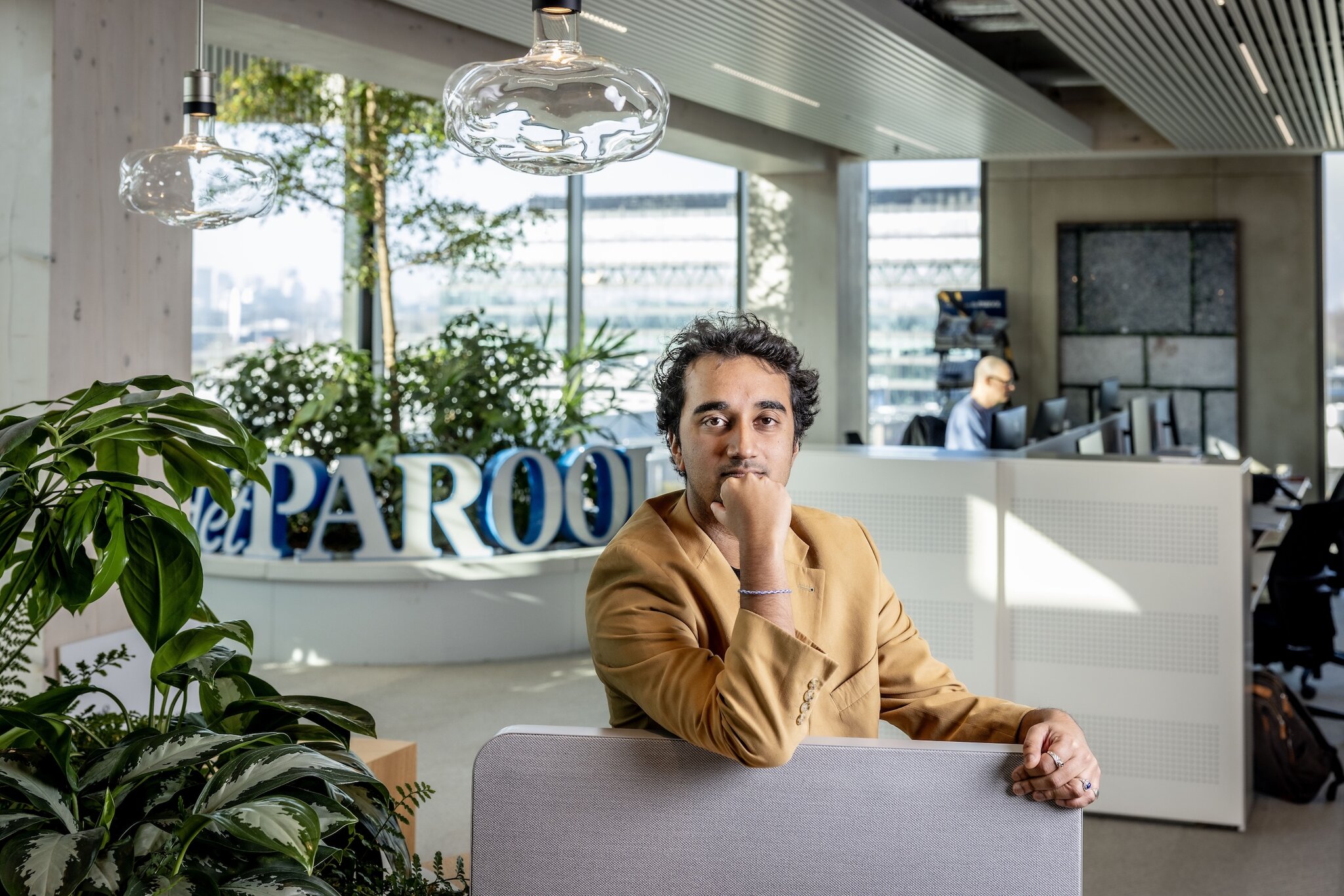
Tahrim Ramdjan (Het Parool)
Exploitation in a luxury gym
At the Amsterdam luxury gym Saints & Stars, Filipino and Indonesian cleaners were working under harsh conditions. Over the course of several months, investigative reporter Tahrim Ramdjan of Het Parool spoke with eleven sources in and around the gym. He also analysed WhatsApp conversations, photos, videos, audio recordings and correspondence with the Netherlands Labour Authority. “I couldn’t believe what I was seeing.”
Cleaners work shifts of up to seventeen hours a day, without breaks. Their passports had been confiscated and they were required to sleep in the home of owner Tom Moos in the Amsterdam-Oud-Zuid district. Some even have to share a bed with strangers or sleep in a walk-in closet. Others, who were legally residing elsewhere in the European Union, became undocumented after being promised Dutch work permits that never materialised.
The article was published under the headline ‘Ze zien ons als slaven’ (They see us as slaves). The investigation brought the issue of labour exploitation to national attention, as well as the hypocrisy of Amsterdam’s ‘oat milk elite’, under whose noses this was happening. Minister Eddy van Hijum (Social Affairs) and the Philippine government responded. The Public Prosecution Service launched an investigation into possible human trafficking, and in December 2025 the gym was ordered to pay compensation of €15,000 per worker to several cleaners.
Read article (in Dutch)

Cathérine Moerkerke (VTM NIEuWS)
Veerle Hegge’s fight against anorexia
There had long been speculation about Veerle Hegge, the wife of Prime Minister Bart De Wever. Her physical appearance made it clear that she was struggling. In September 2025, she published a book, De stem van mijn stilte (The Voice of My Silence), in which she spoke about her battle with anorexia. She also discussed this in an in-depth interview with VTM NIEUWS.
Read more
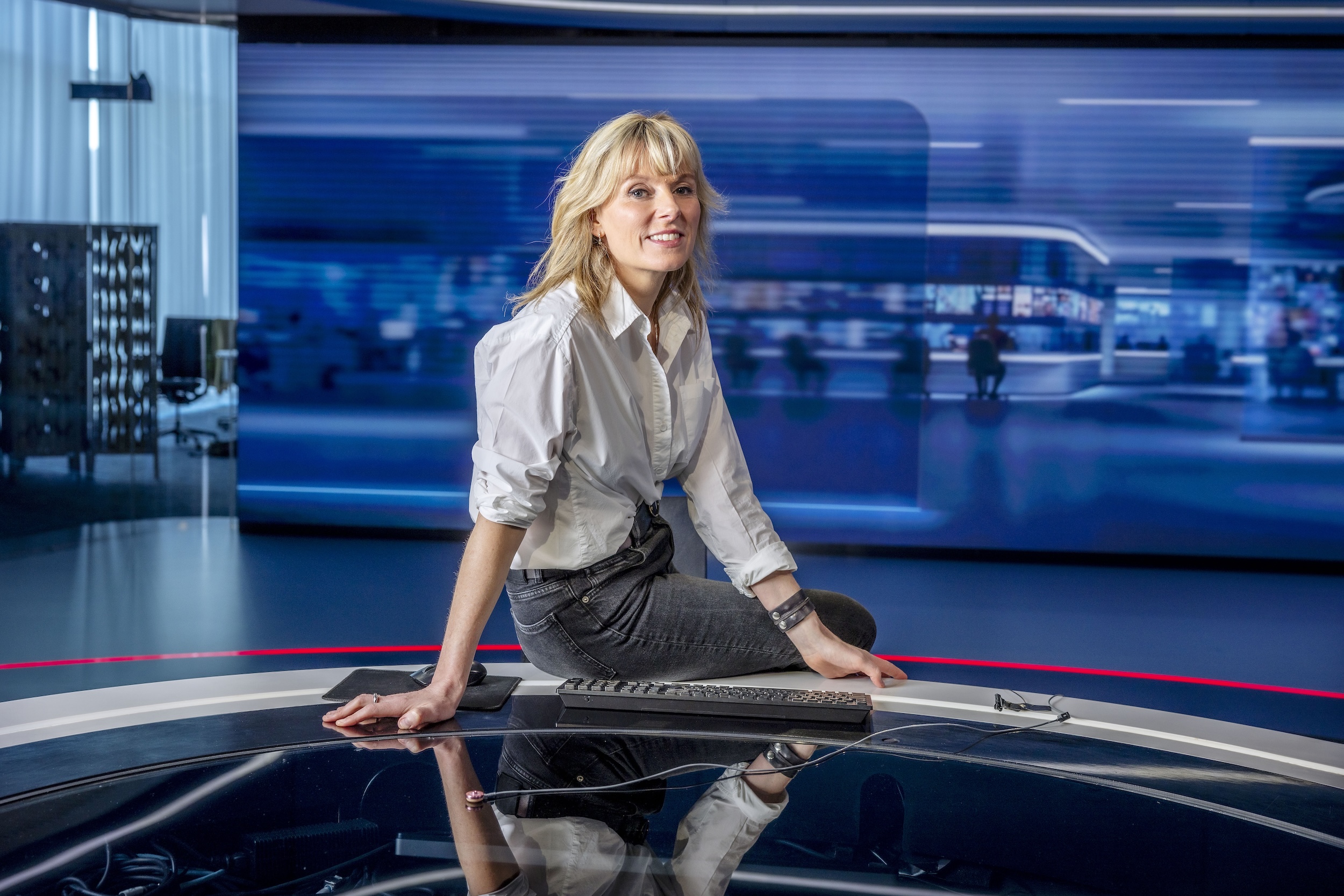
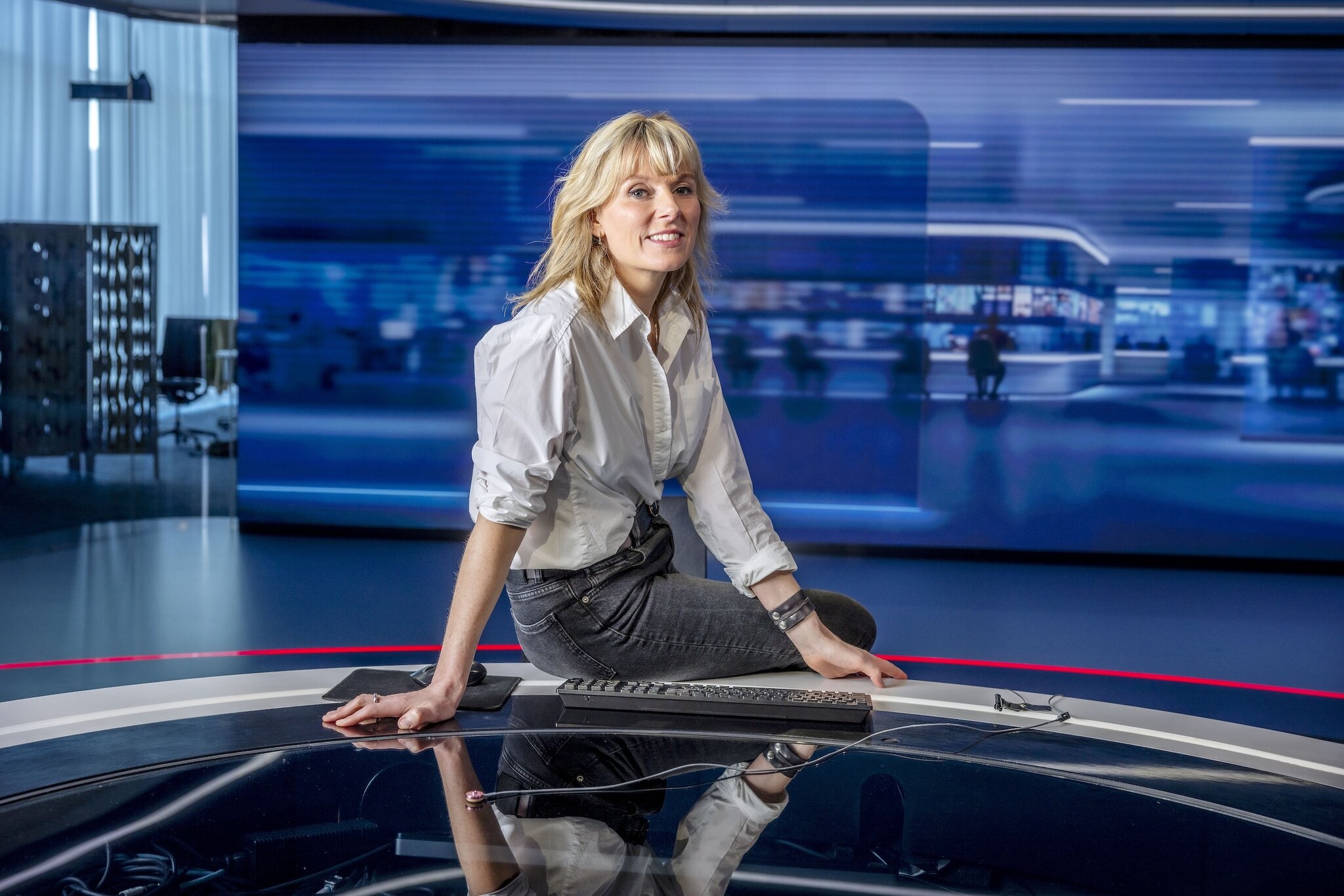
Cathérine Moerkerke (VTM Nieuws)
Veerle Hegge’s fight against anorexia
There had long been speculation about Veerle Hegge, the wife of Prime Minister Bart De Wever. Her physical appearance made it clear that she was struggling. In September 2025, she published a book, De stem van mijn stilte (The Voice of My Silence), in which she spoke about her battle with anorexia. She also discussed this in an in-depth interview with VTM NIEUWS. “We had never really heard the prime minister’s wife speak before,” says news anchor Cathérine Moerkerke, who conducted the interview.
“She did so for the first time with us.”
Moerkerke encountered a vulnerable woman. “She was nervous about the enormous step she was taking. It was an atypical interview by VTM NIEUWS standards, where everything is usually brief and fast-paced. We gave her all the time she needed, and she took it. She didn’t avoid any painful detail of her illness and visibly felt relieved afterwards, as if a weight had been lifted, for herself and for others who share her experience.”
“The vulnerability she showed required great care in the way questions were asked. Finding that balance made the interview not only journalistically satisfying for me, but also very meaningful. It was an honour to be the first to interview her in the studio about the difficult path she’s still walking today.”
Read article (in Dutch)
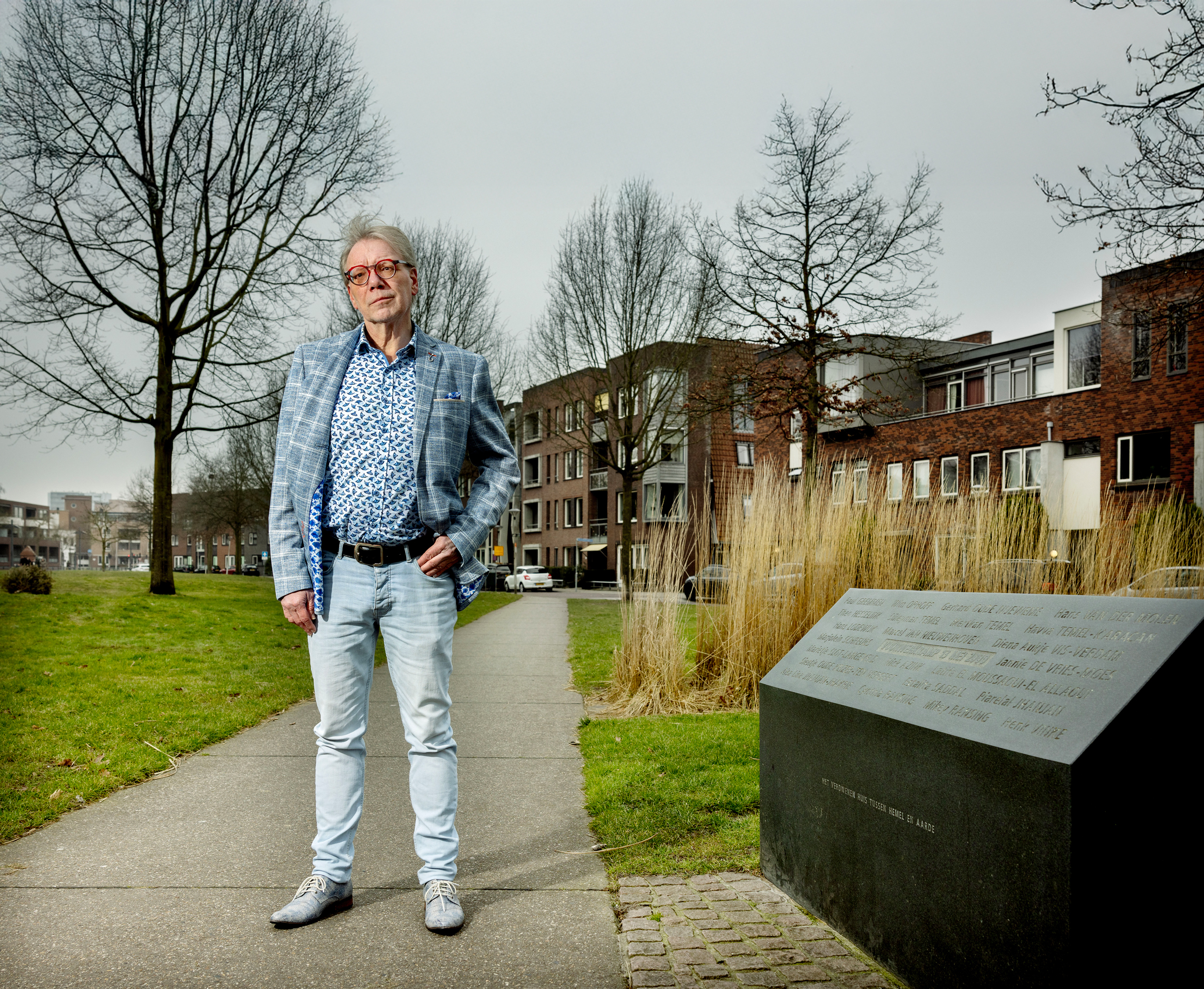
Lucien Baard (Tubantia)
The unspoken Grief of Enschede
On 13 May last year, it was 25 years since the fireworks disaster in Enschede. The explosion at a fireworks factory claimed 23 lives, injured nearly a thousand people and wiped out an entire residential area.
Read more
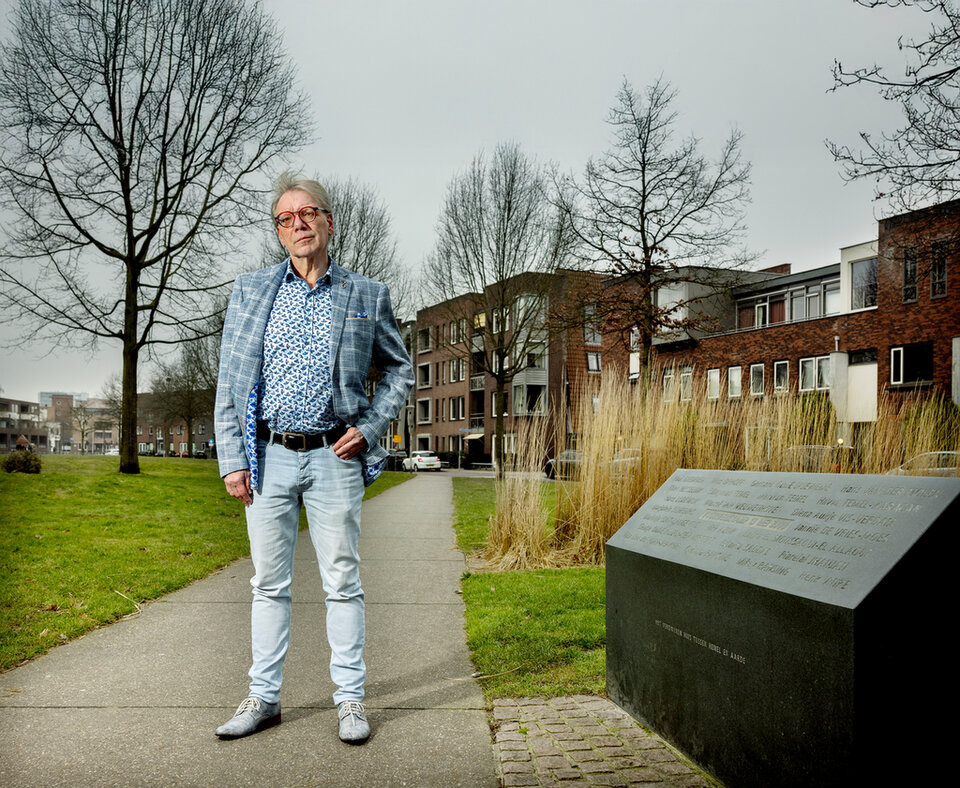
Lucien Baard (Tubantia)
The unspoken Grief of Enschede
On 13 May last year, it was 25 years since the fireworks disaster in Enschede. The explosion at a fireworks factory claimed 23 lives, injured nearly a thousand people and wiped out an entire residential area.
Journalist Lucien Baard was on site shortly after the explosion. Since then, he has followed all developments related to this tragedy for Tubantia. Last year, he published De vuurwerkramp (The Fireworks Disaster). The book reconstructs the facts but is above all filled with personal stories, some of which had never been told before. “Even after all these years, people still couldn’t bring themselves to share them. After 25 years, the grief remains immense. Time clearly doesn’t heal all wounds.”
This was also the starting point for Tubantia’s commemoration: to publish new stories through the eyes of those who experienced the disaster. This resulted in a podcast with colleague Frank Bussink and, ultimately, the book. “Finding the stories was not that difficult,” says Baard. “Earning people’s trust was.”
It led to deeply moving conversations: a man who was orphaned as a toddler by the disaster and later struggled to find his place in life; a family that had to bury five relatives; a woman who chose her deceased cousin as an imaginary bridesmaid at her wedding. Baard recalls, “She stood in her wedding dress at the graveside. ‘The sense of loss only grows stronger,’ she said. She kept breaking down in tears. Writing the book was confronting for me as well. I had to relive the disaster to some extent.”
Read article (in Dutch)
Daniël Verlaan (RTL Nieuws)
“avoided a
digital disaster”
In August 2025, the Dutch national screening programme reported that the personal data of half a million women had been stolen in a cyberattack. “We saw in our data systems that the attack had taken place at the Clinical Diagnostics laboratory, which conducts cervical cancer screening. The laboratory kept the hack quiet for a month,” says journalist Daniël Verlaan of RTL Nieuws.
Read more
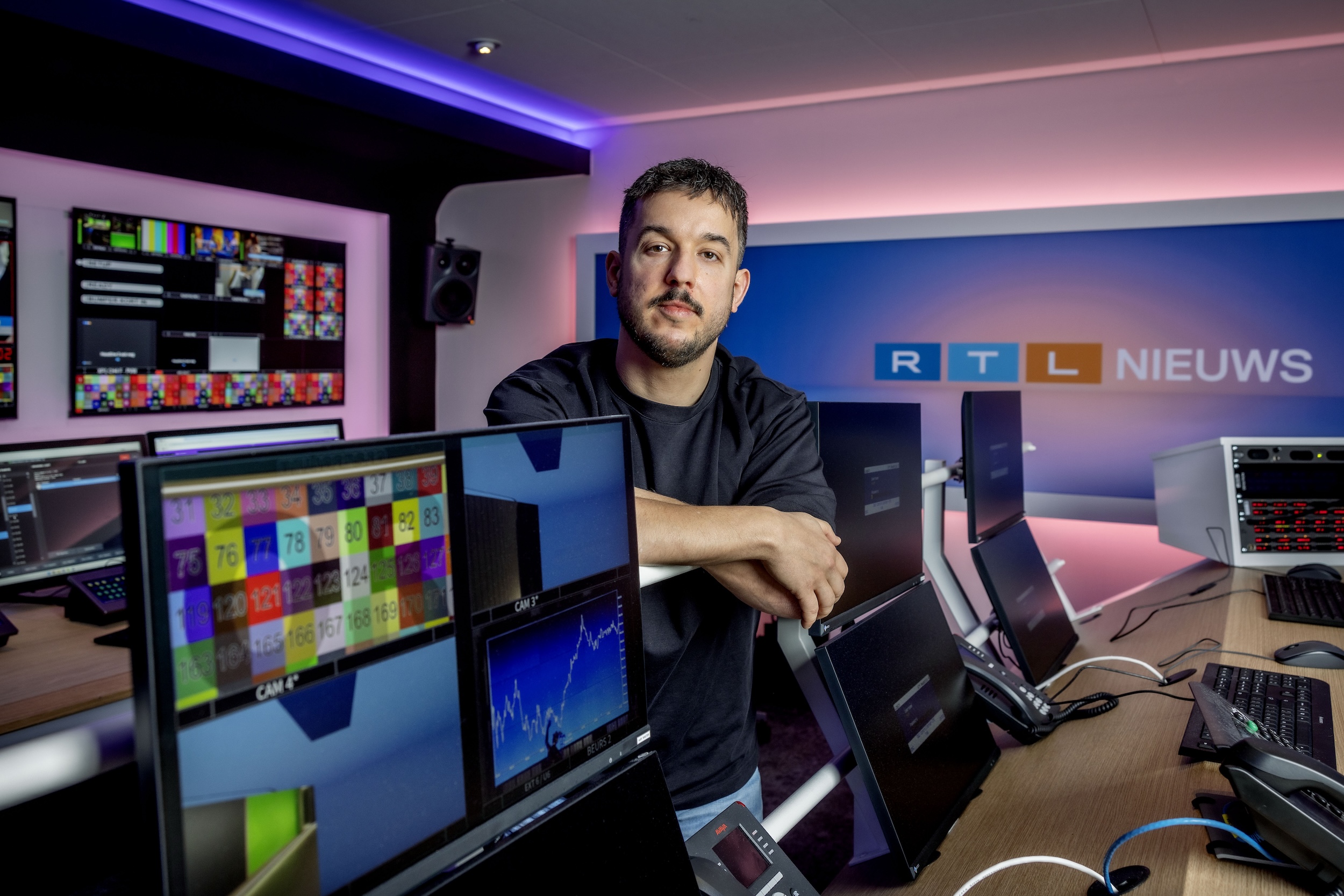
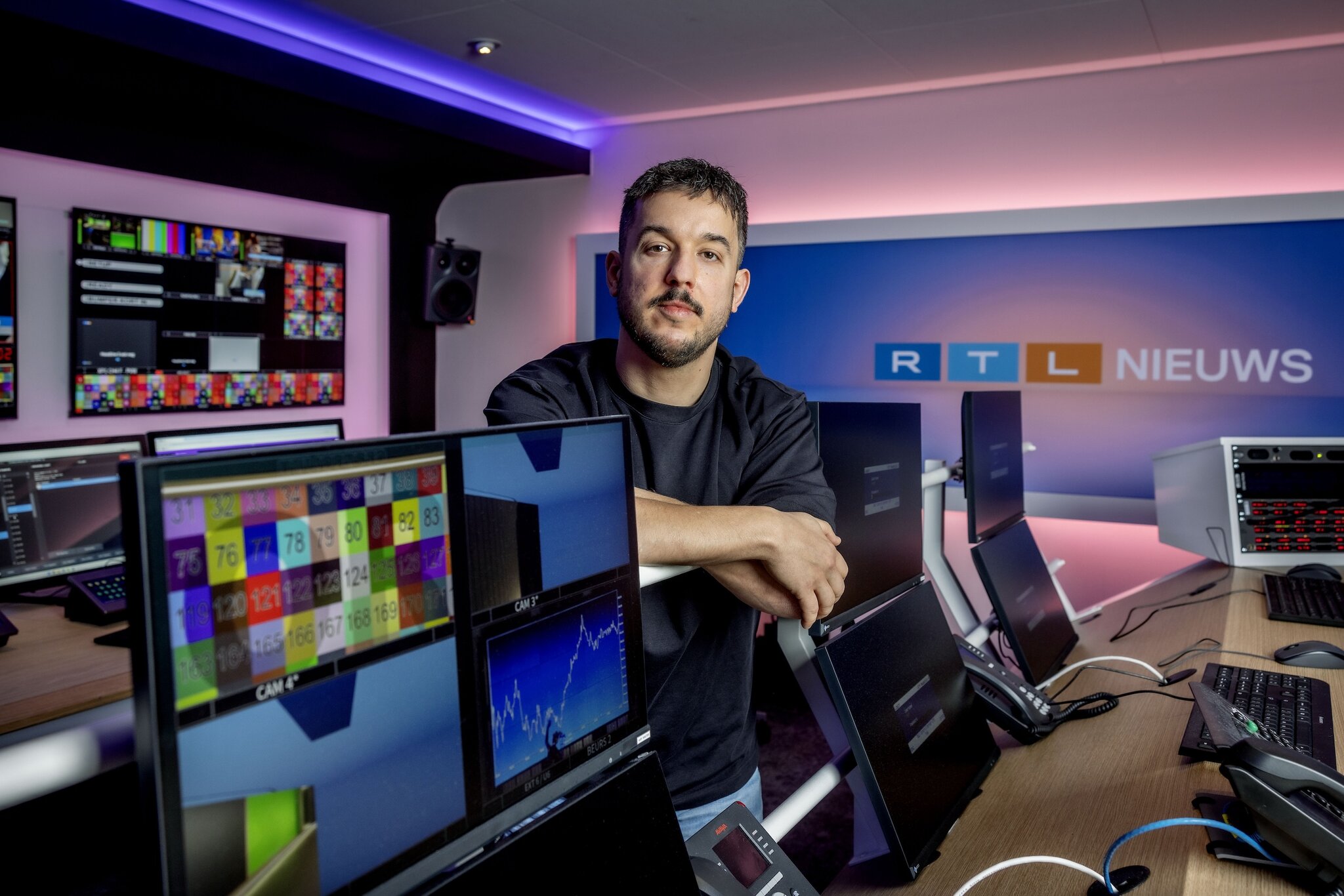
Daniël Verlaan (RTL NIeuws)
“Avoided a digital disaster”
In August 2025, the Dutch national screening programme reported that the personal data of half a million women had been stolen in a cyberattack. “We saw in our data systems that the attack had taken place at the Clinical Diagnostics laboratory, which conducts cervical cancer screening. The laboratory kept the hack quiet for a month,” says journalist Daniël Verlaan of RTL Nieuws.
“The data breach turned out to be much larger when we analysed the stolen files on the dark web. It wasn’t only test results from smear tests and self-tests, but also STI tests and other medical examinations carried out via GPs and hospitals. In the files, data journalist Jasper Bunskoek and I also found personal details of a minister and an MP, information about detainees and forensic psychiatric patients, and addresses of women’s-shelter residents. One document even contained a woman’s account of why she had taken an STI test: she had been raped.”
The breach was unprecedented in scale. Never before had so much medical data been stolen by criminals. Via an anonymous chat app, the cybercriminal group Nova confirmed that the laboratory had paid a ransom. “Since then, the stolen data can no longer be found on the dark web. The Netherlands avoided a digital disaster, although concerns remain that the data may resurface.”
Read article (in Dutch)
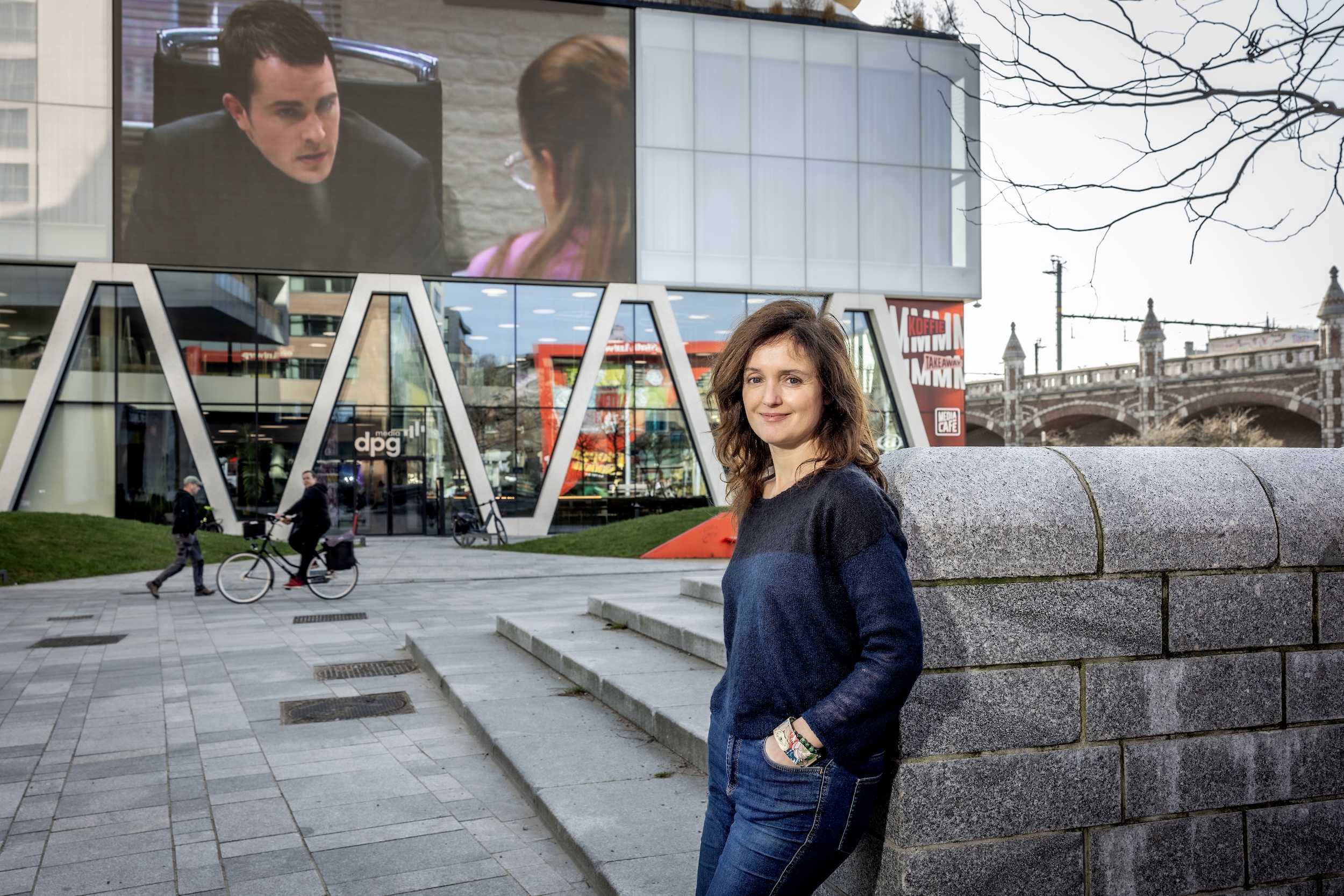
Barbara Debusschere (De Morgen)
Mapping noise
pollution
How loud are our cities really? That question led to De Oorzaak (The Cause), the largest citizen science study on environmental noise ever conducted in Flanders, the results of which De Morgen published at the end of 2025. Interactive maps showed readers how noisy different areas of Antwerp, Leuven and Ghent are, what sources cause noise pollution (with traffic standing out) and where the greatest nuisance is experienced.
Read more
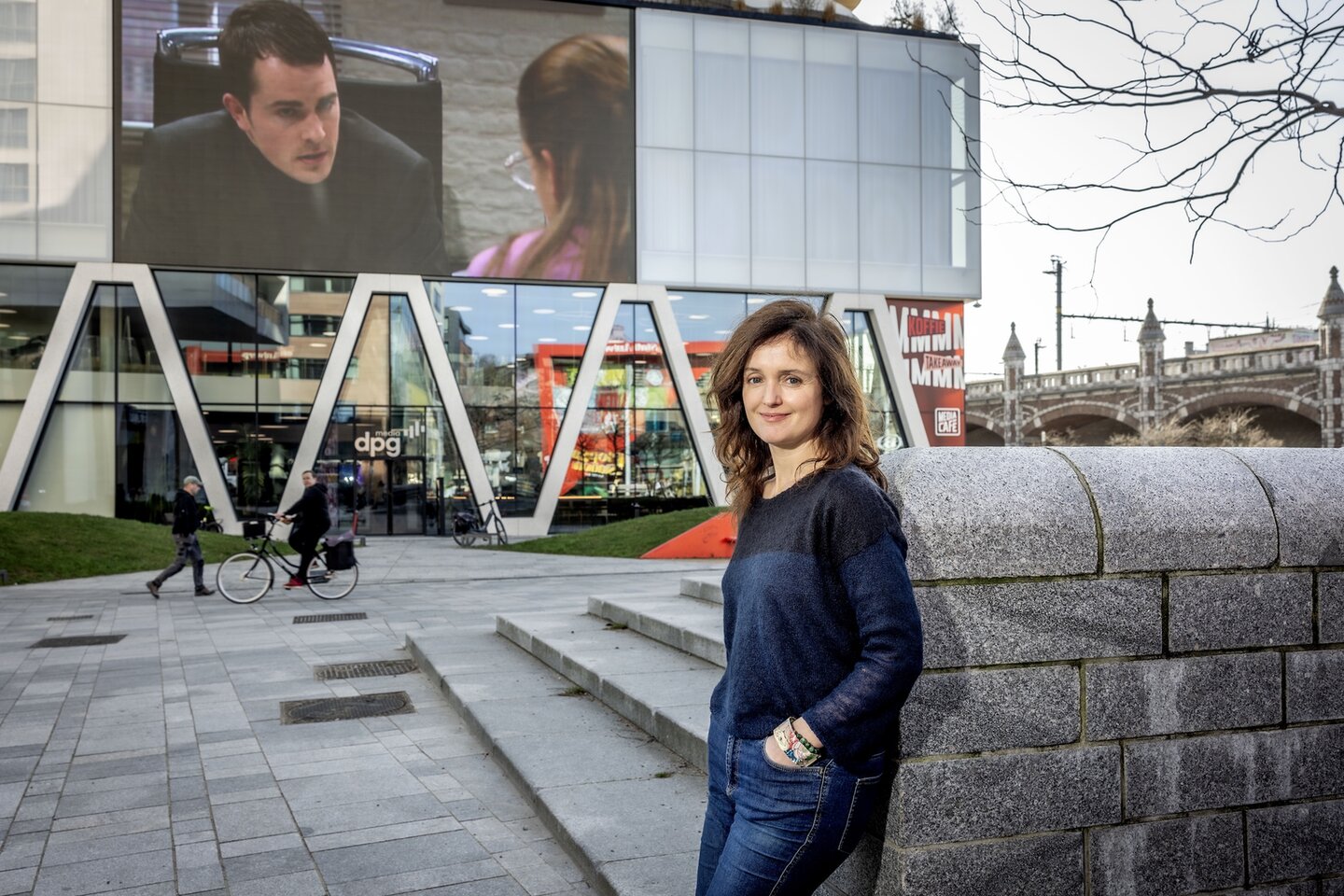
Barbara Debusschere (De Morgen)
Mapping noise
pollution
How loud are our cities really? That question led to De Oorzaak (The Cause), the largest citizen science study on environmental noise ever conducted in Flanders, the results of which De Morgen published at the end of 2025. Interactive maps showed readers how noisy different areas of Antwerp, Leuven and Ghent are, what sources cause noise pollution (with traffic standing out) and where the greatest nuisance is experienced. Never before had De Morgen worked on such a large investigative project, in collaboration with scientists, local authorities and technical partners.
“When I was asked to help lead the project, I had no idea how complex environmental noise is,” says journalist Barbara Debusschere. “The scientists explained it to me with great patience. That kind of intensive collaboration is a gift for a science journalist. It allows you to truly understand a subject in depth.”
In total, 1,452 participants installed smart noise sensors on their bedroom windowsills for six weeks. At 44% of the measurement points, noise levels were too high. In addition, 10,138 people took part in the large-scale noise survey – 80% reported experiencing noise pollution. This is concerning, as exposure to this kind of pollution is linked to health risks such as diabetes and heart disease.
“The biggest challenges were identifying the relevant stories in the large volume of results and explaining to readers that measured decibels and perceived nuisance don’t always align,” Debusschere explains. “This subjective experience makes noise difficult to map and address. But with De Oorzaak, Flanders now has valuable data that cities such as Ghent and Leuven, and public transport company De Lijn, are already using.”
Read article (in Dutch)
Jeroen Kraan (NU.nl)
Searching for soil pollution with readers
In April 2025, research by NU.nl and Investico revealed that steel slag was present in many locations across the Netherlands. They identified more than a hundred sites where this polluting by-product of the steel industry had been applied. With the help of NU.nl readers, many more locations were added to the interactive map a few months later.
Read more
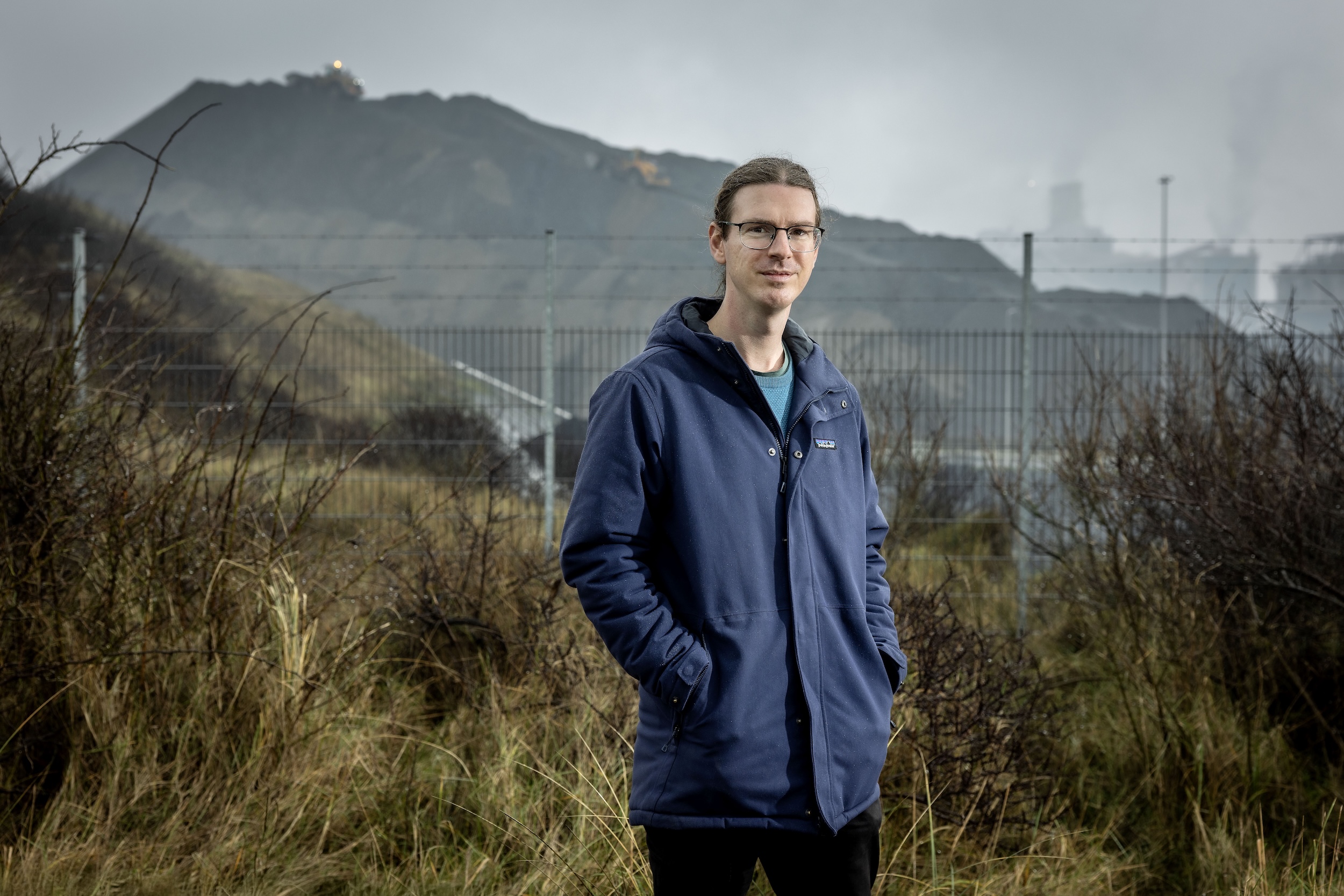
Jeroen Kraan (NU.nl)
Searching for soil pollution with readers
In April 2025, research by NU.nl and Investico revealed that steel slag was present in many locations across the Netherlands. They identified more than a hundred sites where this polluting by-product of the steel industry had been applied. With the help of NU.nl readers, many more locations were added to the interactive map a few months later.
“We came up with the idea just before publishing our original investigation,” says climate reporter Jeroen Kraan. “Why not include a call in the article asking readers whether they knew of other locations where steel slag had been used?”
They did. The inbox filled with hundreds of tips. People shared locations of walking paths and other places where they had seen ‘suspicious’ construction materials. Journalists checked these sites one by one to verify whether steel industry by-products had indeed been used.
This led to a new publication in October, in which the number of locations on the steel slag map had almost doubled to 216. It sparked parliamentary questions in many municipalities and, in some cases, the removal of the material. Kraan reflects, “Thanks to our readers, we were able to show even more clearly that soil pollution caused by the use of steel slag is an issue in many places.”
Read article (in Dutch)
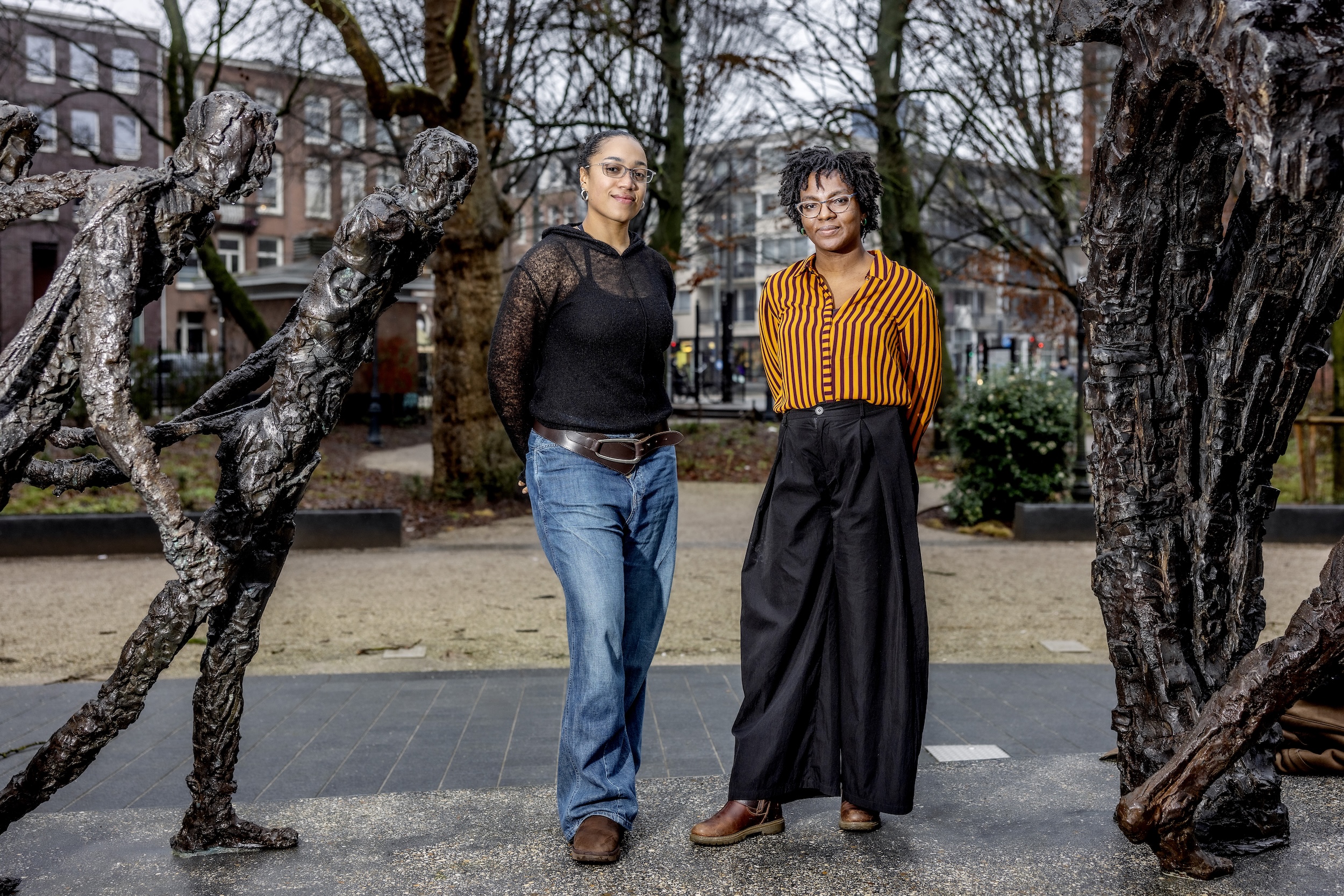
Jeannine Julen & Dija Kabba (Trouw)
“That’s when we knew: grandmother is the story”
The idea for the podcast De vrouwen van Saramacca (The Women of Saramacca) came to Trouw journalist Jeannine Julen when former MP Sylvana Simons spoke about the proximity of the slavery past. “When we talk about enslaved people,” Simons said, “we are talking, for example, about my mother’s grandmother. That was not so long ago.”
Read more
Jeannine Julen & Dija Kabba (Trouw)
“That’s when we knew: grandmother is the story”
The idea for the podcast De vrouwen van Saramacca (The Women of Saramacca) came to Trouw journalist Jeannine Julen when former MP Sylvana Simons spoke about the proximity of the slavery past. “When we talk about enslaved people,” Simons said, “we are talking, for example, about my mother’s grandmother. That was not so long ago.” Captivated, Julen decided: this is something I need to explore.
The plan: to create a podcast about the lasting impact of slavery, told through her own family history. Together with podcast maker Dija Kabba, she interviewed numerous relatives and experts in the Netherlands and Suriname over the past year. The two journalists travelled into the interior of Suriname, visited the rural district of Saramacca – where Julen’s family originates – and spoke with relatives she had never met before.
The more they learned about Julen’s family, the more central her grandmother became to the story. “My uncles and aunts told heroic stories about my grandfather. But in every interview, we realised that it was actually my grandmother Lena who had had the greatest influence – and not always in a positive way. That’s when we knew: she is the story.”
Through Lena Allison-Olieberg’s life, Julen and Kabba show not only how the legacy of slavery still has an impact today, but also what the colonial past cost Afro-Surinamese communities. Winti, their spiritual belief system, was banned for many years, as were traditional clothing and the use of Sranan Tongo.
Read article (in Dutch)
Read more about our journalistic choices in the Journalism Annual Report
(in Dutch)


